
Why a Photograph Deserves to Be Seen as Art
- Andrew Raven

- Aug 4
- 3 min read

Somewhere on your phone right now is a photograph you have not looked at in months. It might be a good one. It might even be one of the best pictures ever taken of the dog curled at your feet as you read this. But it lives in a folder among thousands of others, waiting for a moment that rarely comes.

This is not a failure of the photograph. It is simply what happens to images that are never asked to become anything more than data. A photograph stored on a phone is a record. A photograph printed, framed, and hung on a wall is something else entirely. It becomes part of the room. It catches the evening light in November and the morning sun in June. It is there when you walk past with your coffee, half awake, and there again when guests linger by it after dinner, asking who the dog in the picture is and how you came to have such a portrait made.
That shift, from record to object, is where a photograph starts to become art.
What a print asks of an image
Not every photograph earns a place on a wall, and that is precisely the point. When you choose an image to print, you are making a judgement. You are saying this moment, out of thousands, deserves permanence. You are willing to spend money on paper and ink and a frame to say so. That decision changes how you see the image afterward. A photograph you have committed to is a photograph you have decided matters.

This is part of why a fine art print feels different from a standard photo print, beyond the paper itself. Archival pigment inks and cotton rag paper are built to outlast us, holding their colour and depth for a century or more rather than fading within a decade the way consumer prints often do. A limited edition, hand signed and numbered, marks the image as a considered piece of work rather than one file among many. These are not decorative flourishes. They are what separate a snapshot from a piece of art, and they are why a print can be handed down rather than simply replaced.
The dog who becomes an icon
There is a particular kind of photograph that benefits most from this treatment, and it is the one most people never think to print at all: the portrait of the dog who is, in every real sense, family.

Dogs live shorter lives than we do, and the photographs we take of them are often the only record we will have of exactly how they looked at exactly this age, in exactly this
light. A phone photograph of your dog is a lovely thing. A fine art portrait of your dog, printed on museum quality paper and hung where you see it daily, is a different kind of lovely. It says this dog was not incidental to your life. This dog was the heart of it.
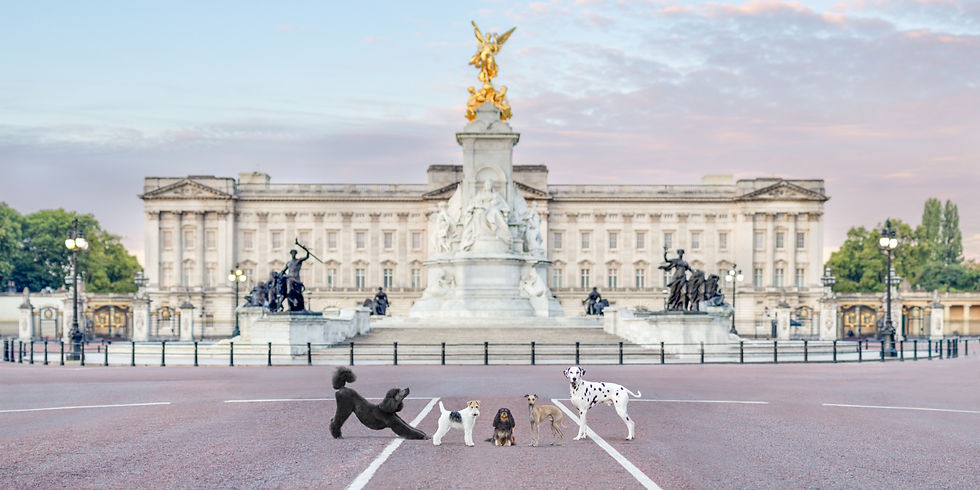
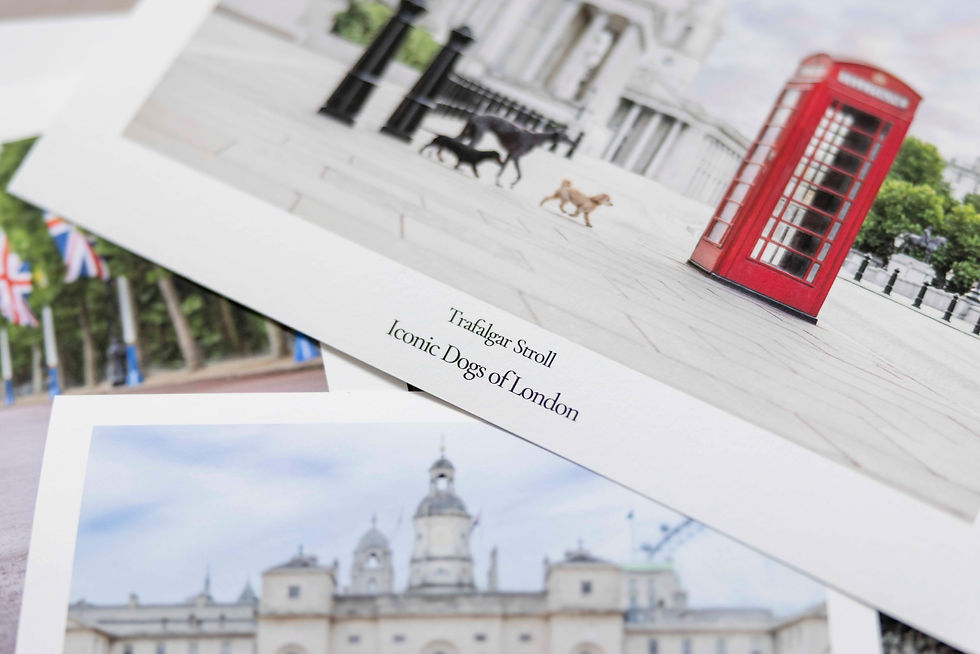
That belief sits at the centre of the Iconic Dogs of London collection: every dog was born an icon, and deserves to be photographed and printed as one.

Living with a photograph, rather than storing it
A photograph on a wall does something a photograph on a screen cannot. It ages alongside you. It becomes part of the architecture of your daily life rather than a file you might one day revisit. You do not scroll past a print. You live with it.
If there is a photograph you have never quite gotten around to printing, of a dog, a place, a person, or a moment you already know you will want to remember properly, it may be worth asking what it would take to give that image the treatment it deserves.
Not every photograph needs to become art. But the ones that matter most usually do.
Comments